Downspout Snaking in Monmouth County, NJ
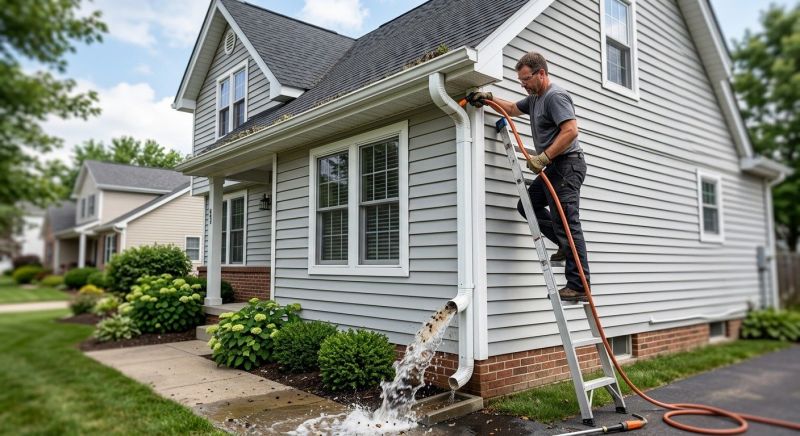
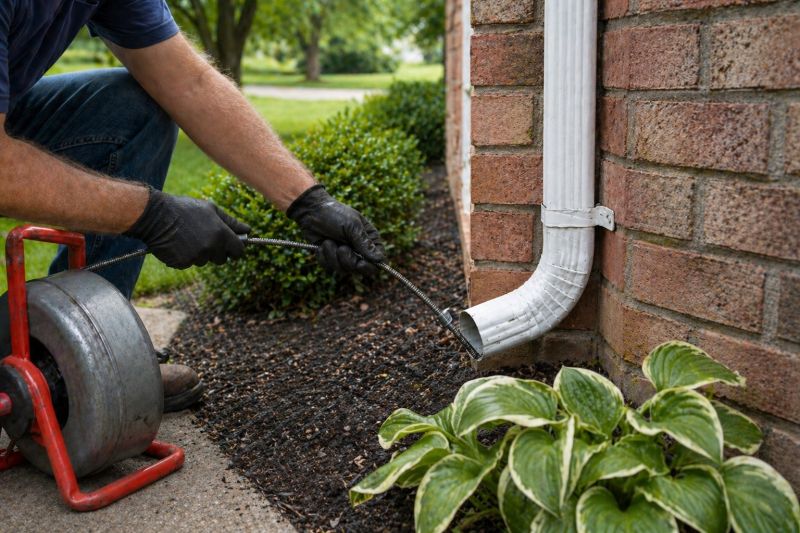
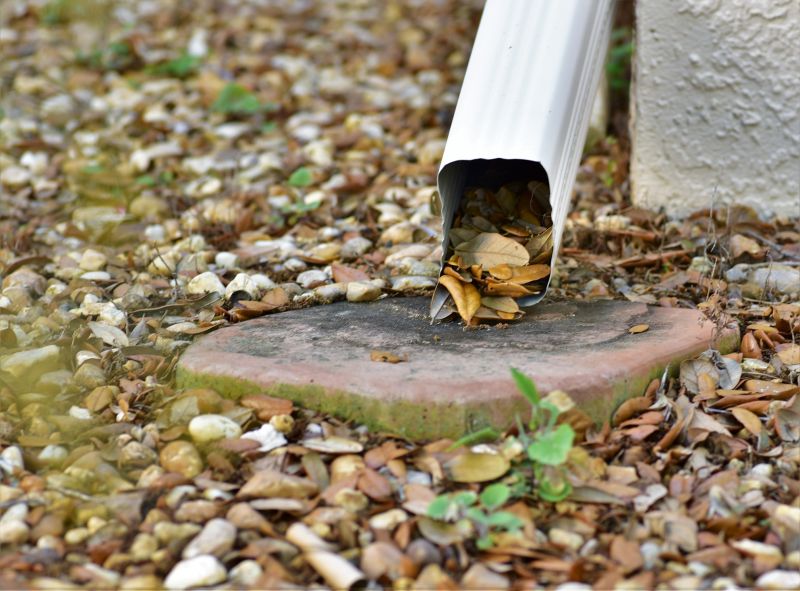
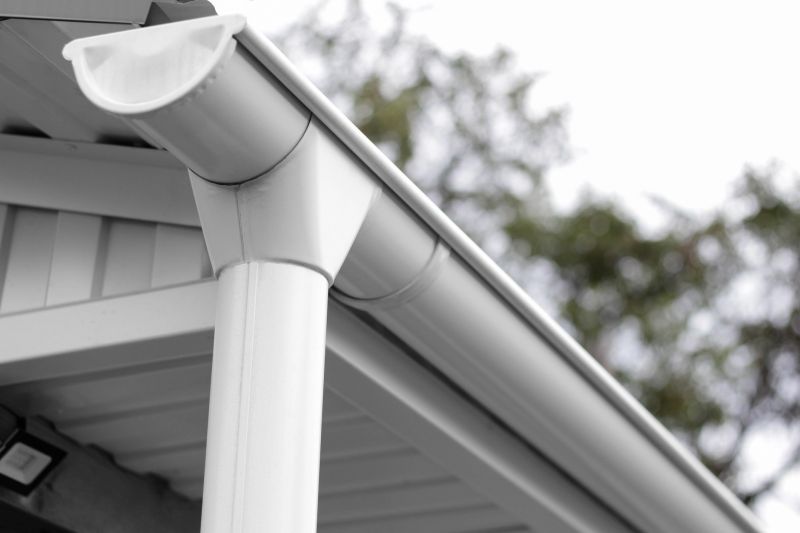
Downspout snaking services involve clearing out clogs and obstructions within the downspouts and interior drainage pathways of a property’s gutter system. This process typically uses specialized tools to remove debris such as leaves, dirt, and small objects that can cause water to back up or overflow during heavy rain. Projects often include addressing clogged downspouts that prevent proper water flow, ensuring gutters function effectively to protect the foundation, landscaping, and exterior walls from water damage.
Homeowners interested in this service should understand that downspout snaking is an effective method for maintaining clear drainage pathways and preventing potential water-related issues. Before requesting service, property owners often want to know if their downspouts are visibly blocked or if they notice signs of overflowing gutters. It’s also helpful to consider the length and accessibility of the downspouts, as these factors can influence the scope of the work needed to restore proper drainage.
Many property owners in Monmouth County, NJ look into Downspout Snaking for repairs, replacements, upgrades, and appearance-related improvements.
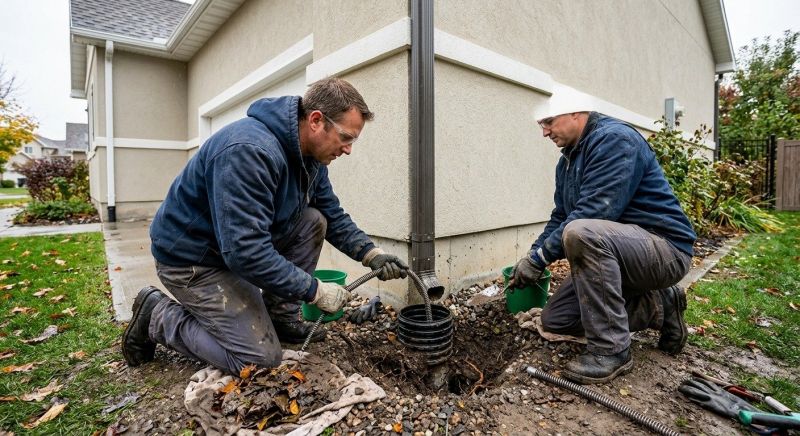
Clogged Downspouts
Downspout snaking clears blockages caused by leaves, debris, and buildup to ensure proper drainage.
Prevent Water Damage
Regular snaking helps prevent water from overflowing and causing damage to your home's foundation and landscaping.
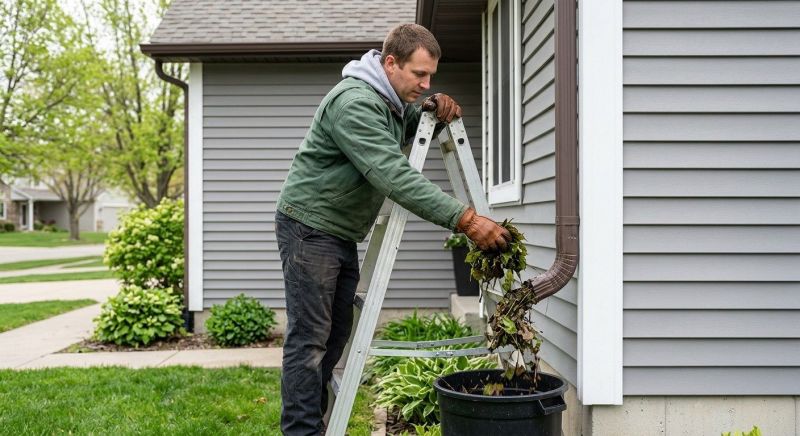
Maintenance Solutions
Downspout snaking is an effective way to maintain the integrity of gutter systems on monmouth county properties.
Downspout Snaking in Monmouth County, NJ
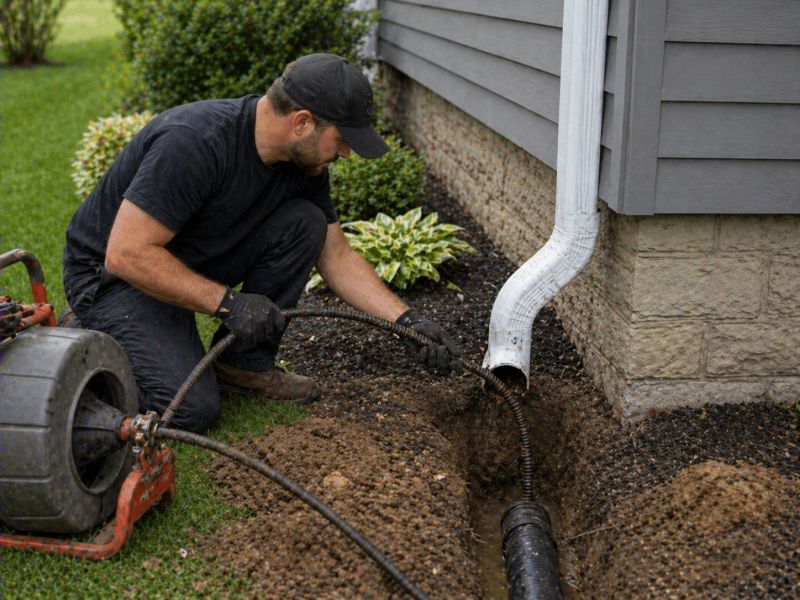
Downspout snaking services involve clearing out clogs and obstructions within the downspouts and interior drainage pathways of a property’s gutter system. This process typically uses specialized tools to remove debris such as leaves, dirt, and small objects that can cause water to back up or overflow during heavy rain. Projects often include addressing clogged downspouts that prevent proper water flow, ensuring gutters function effectively to protect the foundation, landscaping, and exterior walls from water damage.
Homeowners interested in this service should understand that downspout snaking is an effective method for maintaining clear drainage pathways and preventing potential water-related issues. Before requesting service, property owners often want to know if their downspouts are visibly blocked or if they notice signs of overflowing gutters. It’s also helpful to consider the length and accessibility of the downspouts, as these factors can influence the scope of the work needed to restore proper drainage.
Many property owners in Monmouth County, NJ look into Downspout Snaking for repairs, replacements, upgrades, and appearance-related improvements.
Common Downspout Snaking Jobs
Downspout snaking - clears blockages to ensure proper water flow through downspouts.
Clog removal - eliminates debris that can cause backups and water damage.
Drain cleaning - maintains unobstructed downspouts to prevent overflow during storms.
Gutter system maintenance - keeps downspouts functioning effectively as part of routine upkeep.
Clog diagnosis - identifies the source of blockages for targeted clearing.
Preventative service - reduces the risk of future clogs with thorough cleaning and inspection.
Downspout Snaking Questions
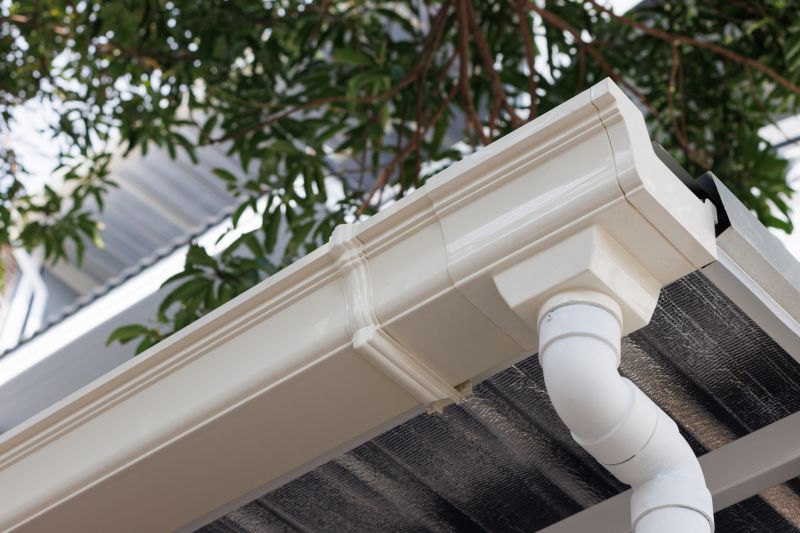
What is downspout snaking? Downspout snaking involves removing clogs and debris from the interior of a downspout using specialized tools to ensure proper drainage.
When is downspout snaking needed? It is typically needed when water overflows or backs up in the gutter system, indicating blockages inside the downspout.
What are common causes of downspout clogs? Leaves, twigs, dirt, and debris can accumulate and cause blockages, especially during fall or after storms.
How can downspout snaking improve drainage? Clearing obstructions allows rainwater to flow freely, reducing the risk of water damage and foundation issues.
Request Downspout Snaking in Monmouth County, NJ
Use the quote form on this page to share the basics of your project and request more information for the type of work you need.